

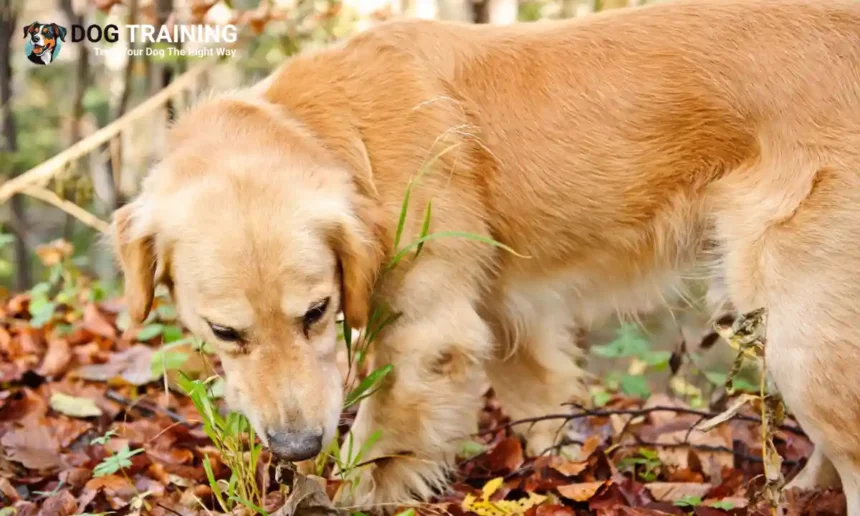
Dogs eating grass is one of the most common dog behaviours that many owners notice sometimes with amusement, other times with confusion or concern. While it can look strange, grass-eating in dogs is usually normal and not always a sign of illness. This guide explains why is my dog eating grass, what it might mean, and when you should be concerned, based on expert guidance from the Royal Kennel Club.
What Grass-Eating Really Means
Many people believe that dogs eat grass because they are sick or want to make themselves vomit. However, research suggests that this isn’t the case for most dogs. Most dogs that eat grass do not show signs of illness before doing so, and only some go on to vomit afterward. This means that grass eating isn’t always linked to sickness. It’s actually quite common and can be part of normal dog behaviour.
For healthy dogs that are regularly wormed and cared for, nibbling grass now and then usually isn’t something to worry about.
Common Reasons Dogs Eat Grass
Dogs may eat grass for a variety of reasons. Some of the main explanations include:
1. They Simply Enjoy It
Dogs don’t need grass for nutrition their natural diet comes from their food but many just like the taste, texture, or sensory experience of chewing grass. It’s a behaviour observed even in wild relatives of domestic dogs.
2. It Could Be Boredom
If a dog doesn’t have enough mental stimulation or exercise, eating grass can become something to pass the time. Dogs left alone outdoors without engaging activities may turn to grazing as a way to occupy themselves.
3. Grass Doesn’t Always Signal Hunger
While some people think dogs eat grass because they’re hungry or lacking nutrients, this isn’t usually true for dogs on balanced diets. Occasional grass consumption doesn’t mean your dog’s diet is deficient.
4. Seasonal or Sensory Attraction
Many dogs seem more interested in grass during certain seasons when grass is green, fresh, and fragrant. The smell or texture can simply be pleasant for them.
Is It Normal for Dogs to Eat Grass?
Yes — grass eating is a natural behaviour for many dogs. Surveys and observations have shown that a large number of dogs eat plants regularly, making this behaviour common rather than unusual.
Because dogs are omnivores meaning they eat both meat and plant material eating grass doesn’t necessarily indicate a problem by itself.
That said, while grass doesn’t provide much nutrition, the behaviour itself isn’t usually harmful, especially for dogs that are otherwise healthy and wormed frequently.
Also read about: Pet Courier Service Cost India: Pricing, Factors & Tips
When Grass Eating Could Be a Concern
Although eating grass is usually harmless, there are some situations where you should pay closer attention:
Excessive Grass Eating
If your dog is eating grass a lot more than usual or seems to be doing it obsessively, this could signal boredom, stress, or an underlying issue.
Lack of Interest in Normal Food
If your dog prefers eating grass over its regular meals, this may warrant veterinary advice.
Vomiting or Illness After Grass
If your dog repeatedly eats grass and then becomes sick or vomits, it’s worth checking with a vet.
Pain, Lethargy, Digestive Problems
Signs like tiredness, diarrhoea, constipation, or lethargy paired with grass eating should be evaluated professionally.
Are There Any Risks?
On its own, eating small amounts of clean, untreated grass isn’t dangerous. But there are situations that could pose risk:
- Treated lawns — grass treated with herbicides, pesticides, or fertilisers can harm your dog.
- Parasites — slugs or snails on grass can carry lungworm, a parasite that can affect dogs.
- Foreign hazards — grass seeds and burrs can cause irritation if they get stuck in the eyes, ears, paws, or skin.
What Can You Do About It?
If your dog eats grass occasionally and is healthy, gentle observation is usually enough. But if you’re concerned about the behaviour, here are practical steps you can take:
Provide More Enrichment
Make sure your dog gets:
- Regular exercise
- Stimulating walks
- Puzzle toys or interactive play
This helps avoid boredom or repetitive habits like grazing out of lack of stimulation.
Review Their Diet (with Vet Advice)
If you suspect digestive discomfort or nutrient issues, a vet can advise on dietary changes especially if grass eating seems frequent.
Avoid Treated Grass
Keep your dog away from areas recently treated with chemicals or with signs of pesticide use.
Monitor for Other Signs
Pay attention to your dog’s overall behaviour, appetite, energy level, and stool quality.
Summary – What Every Dog Owner Should Know
- Dogs often eat grass as a normal behaviour — it isn’t always linked to illness.
- Most dogs don’t get sick before or after eating grass, and may simply enjoy it or be bored.
- Occasional grazing is usually harmless, but excessive grass eating or illness afterward should be checked by a vet.
- Avoid allowing your dog to eat grass that has been treated with chemicals.
- Providing stimulation, exercise, and veterinary care can help manage or reduce grass eating.
Also read about: How To Cut Dog Nails: A Complete Stress-Free Guide for Pet Parents