

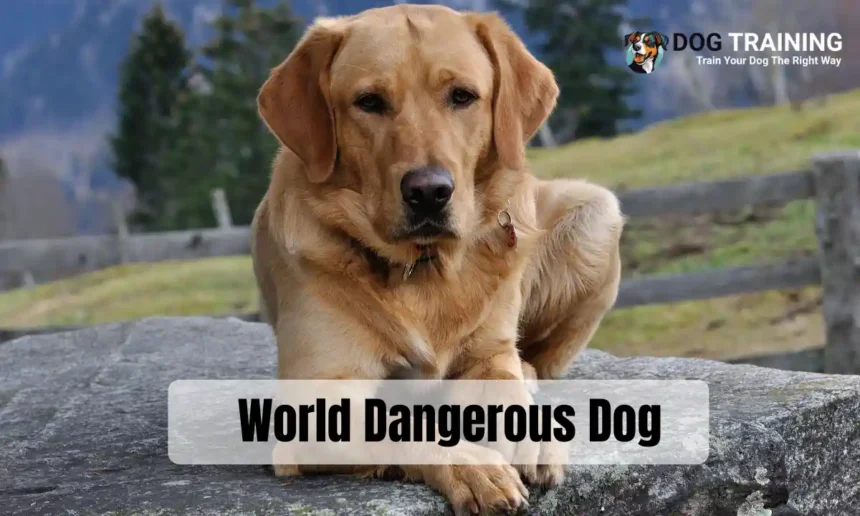
Dogs are known as loyal companions, protectors, and loving family members. Yet, across the world, the term “world dangerous dog” is widely searched because of rising concerns about dog attacks, aggressive behavior, and fatal incidents. This article presents a clear, well-structured, and human-written explanation of what makes a dog dangerous, which dogs are considered risky, and how real danger can be prevented—without fear-mongering or copied content.
What Does “Dangerous Dog” Really Mean?
A dangerous dog is not automatically a bad dog. In reality, danger refers to the potential risk a dog may pose to humans or other animals. This risk depends on multiple factors such as:
- Physical strength and jaw power
- Temperament and genetic traits
- Training and socialization
- Owner responsibility
- Environment and living conditions
- Health issues like rabies
A dog becomes dangerous mostly due to human negligence, abuse, or poor handling, not simply because of its breed.
Global Reality: Dog Attacks and Human Deaths
When we look at the world as a whole, the biggest threat from dogs is not aggressive pet breeds, but rabies caused by stray and unvaccinated dogs. In many countries across Asia and Africa, dog-mediated rabies remains a leading cause of death after animal bites.
In contrast, developed nations face a different issue—rare but severe dog attack cases, usually involving large and powerful breeds. These incidents receive high media attention, creating fear and misconceptions.
Dog Breeds Often Labeled as Dangerous
Certain breeds frequently appear in global discussions about dangerous dogs. This is usually because of their size, strength, guarding instincts, or historical roles, not because they are naturally evil.
Commonly named breeds include:
- Pit Bull–type dogs
- Rottweiler
- German Shepherd
- Doberman Pinscher
- Cane Corso
- Bullmastiff
- Mastiff varieties
- Kangal dog
These dogs are strong, intelligent, and highly protective, which means improper training or irresponsible ownership can turn them into serious risks.
Is Breed the Real Problem?
Scientific research and behavioral studies consistently show that breed alone does not determine aggression. Many small dog breeds bite more frequently, but their attacks cause less damage due to size.
Key contributors to dangerous behavior include:
- Lack of early socialization
- Harsh or abusive training
- Poor living conditions
- Being chained or isolated
- Owner encouragement of aggression
- Absence of obedience training
A well-trained dog from a “dangerous” breed can be safer than an untrained dog from a “friendly” breed.
Stray Dogs and Rabies: The Hidden Global Threat
Worldwide, stray dogs pose the most serious danger, especially in countries with weak animal-control systems. Rabies is almost always fatal once symptoms appear, making prevention critical.
The real solutions include:
- Mass dog vaccination
- Sterilization programs
- Public awareness
- Immediate medical treatment after bites
Controlling rabies saves far more lives than banning specific breeds.
Bite Force vs Actual Danger
Bite force is often discussed when labeling dangerous dogs. While some breeds have extremely strong jaws, bite force alone does not predict attack behavior.
Severity depends more on:
- Number of bites
- Targeted body areas (face, neck)
- Whether the attack is defensive or prolonged
- Victim’s age and health
Behavior matters more than numbers.
Breed-Specific Laws: Do They Work?
Some countries and cities ban or restrict certain breeds. However, evidence suggests these laws do not effectively reduce dog attacks.
Better alternatives include:
- Mandatory dog training programs
- Owner licensing
- Leash and confinement enforcement
- Education for parents and children
Responsible ownership is far more effective than breed bans.
How to Reduce Dog-Related Risks
For Dog Owners
- Start training and socialization early
- Use positive reinforcement methods
- Never leave children alone with dogs
- Avoid aggressive training styles
- Ensure proper exercise and mental stimulation
For Families
- Teach children how to approach dogs safely
- Avoid disturbing dogs while eating or sleeping
- Recognize warning signs like growling or stiffness
For Communities
- Promote vaccination and sterilization
- Control stray dog populations humanely
- Educate the public instead of spreading fear
Final Conclusion
The idea of a “world dangerous dog” is largely shaped by fear, media headlines, and misunderstanding. In truth, dogs reflect human behavior. The most dangerous situations arise from neglect, abuse, lack of training, and poor public-health systems.
Also read about: Best Guard Dogs in India (2025): Loyal Protectors for Your Home & Family